

Introduction
Books often suffer damage over time—loose pages, broken spines, or completely detached covers. Traditional repair methods like stitching or glue binding can be time-consuming and inconsistent. A thermal binding machine offers a modern, efficient solution for repairing books by using heat-activated adhesive to securely bind pages together. This technology is widely used in offices, libraries, schools, and print shops to restore books and documents with a clean, professional finish.
What Is a Thermal Binding Machine?
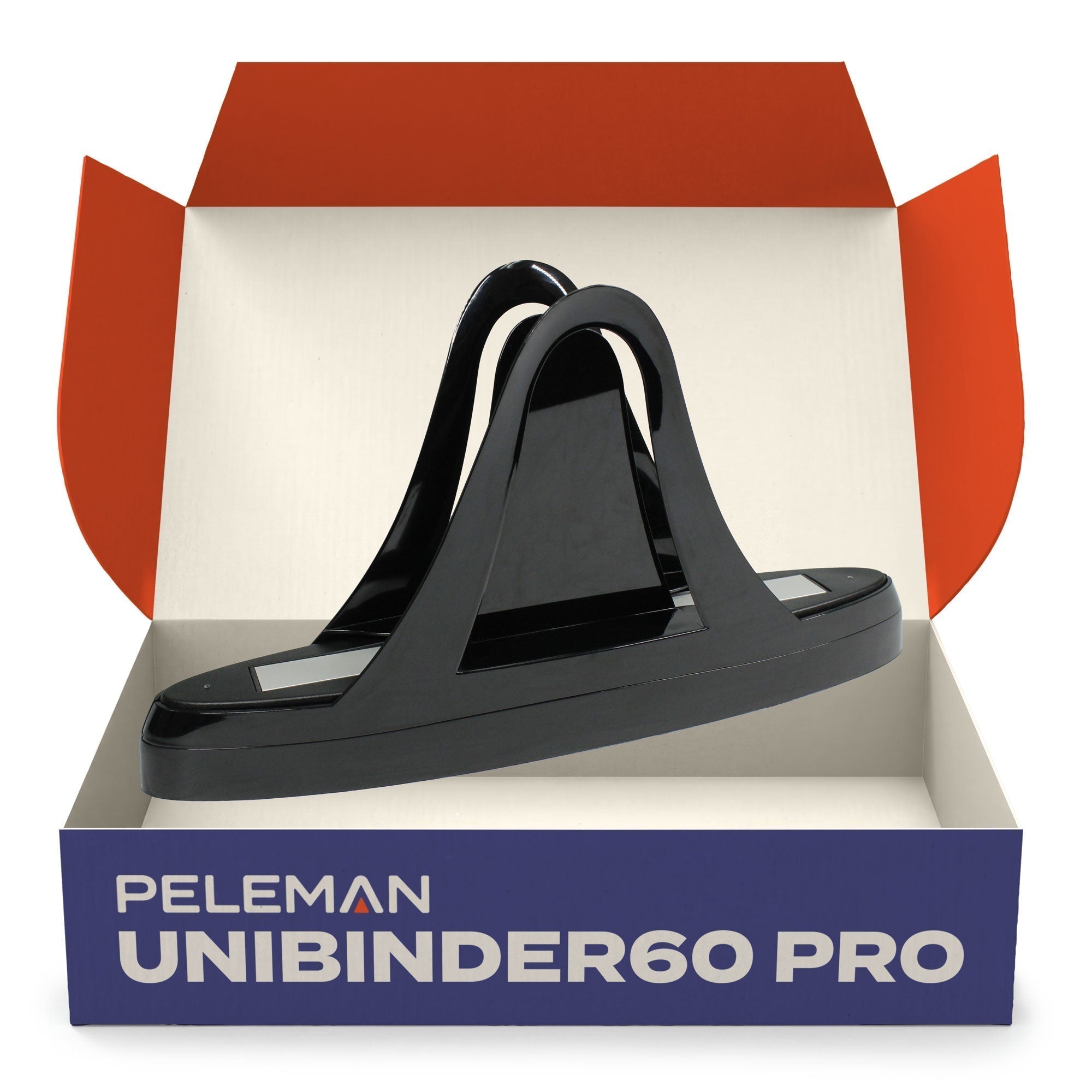
A thermal binding machine is a device that uses controlled heat to melt adhesive inside a specially designed binding cover. When the adhesive melts, it grips the pages placed inside the cover. After cooling, the adhesive solidifies and forms a strong, permanent bond.
Unlike manual stitching or stapling, thermal binding creates a smooth spine similar to professionally printed books. The process is simple and requires minimal technical skill.
How Thermal Binding Works
The thermal binding process generally follows these steps:
-
Prepare the Pages – Arrange the pages of the damaged book in the correct order. Ensure the edges are aligned.
-
Insert into a Thermal Cover – Place the pages inside a thermal binding cover that contains pre-applied heat-activated glue along the spine.
-
Place in the Machine – Insert the cover into the thermal binding machine.
-
Heating Process – The machine heats the spine area, melting the adhesive inside the cover.
-
Cooling Period – After heating, the book is removed and placed in a cooling rack. As the glue cools, it hardens and securely binds the pages.
The entire process usually takes only a few minutes.
Benefits of Using a Thermal Binding Machine for Book Repair
Thermal binding machines offer several advantages when repairing books:
1. Professional Appearance
The finished book has a clean, flat spine that looks similar to commercially printed books.
2. Strong and Durable Binding
Heat-activated adhesive creates a firm bond that holds pages securely for long periods.
3. Quick Repair Process
Most books can be repaired within minutes, making thermal binding ideal for offices and libraries with large volumes of documents.
4. Easy to Use
The process requires minimal training and can be done by almost anyone.
5. Suitable for Various Documents
Thermal binding machines can repair books, reports, manuals, catalogs, and presentations.
Applications in Book Repair
Thermal binding machines are commonly used in several environments:
-
Libraries – Repairing worn or damaged books.
-
Schools and Universities – Binding theses, assignments, and course materials.
-
Offices – Creating professional reports and repairing manuals.
-
Print Shops – Providing document finishing services.
-
Home Use – Fixing personal books, notebooks, or family documents.
Limitations
While thermal binding is useful, it has some limitations:
-
It may not work well for very thick books.
-
Pages must be loose or completely removed from the old binding.
-
Once bound, pages cannot easily be added or removed.
For valuable historical books, professional conservation methods may still be required.
Tips for Better Book Repair
To achieve the best results when using a thermal binding machine:
-
Ensure pages are perfectly aligned before binding.
-
Choose the correct size thermal cover.
-
Do not exceed the machine’s page capacity.
-
Allow enough cooling time for the adhesive to fully set.
Conclusion
A thermal binding machine is a practical and efficient tool for repairing books and binding documents. It combines speed, simplicity, and professional results, making it an excellent choice for libraries, offices, educational institutions, and personal use. By using heat-activated adhesive technology, damaged books can be restored quickly and given a durable new spine, extending their life and usability.
Thermal Binding vs Perfect Binding: Which Is Better for Professional Documents?
Thermal Binding vs Traditional Binding Methods: Which One Should You Choose?