

When it comes to preserving memories, presenting important documents, or creating meaningful keepsakes, the way you bind your materials matters just as much as the content itself. Whether you're creating a memorial book, celebration of life book, or a custom remembrance book, choosing between thermal binding and traditional binding methods can significantly impact durability, appearance, and ease of use.
In this guide, we’ll explore both options in depth, compare their strengths and limitations, and help you decide which binding method is best suited for projects such as a funeral photo book, memorial guest book, or life story book.
Understanding Thermal Binding
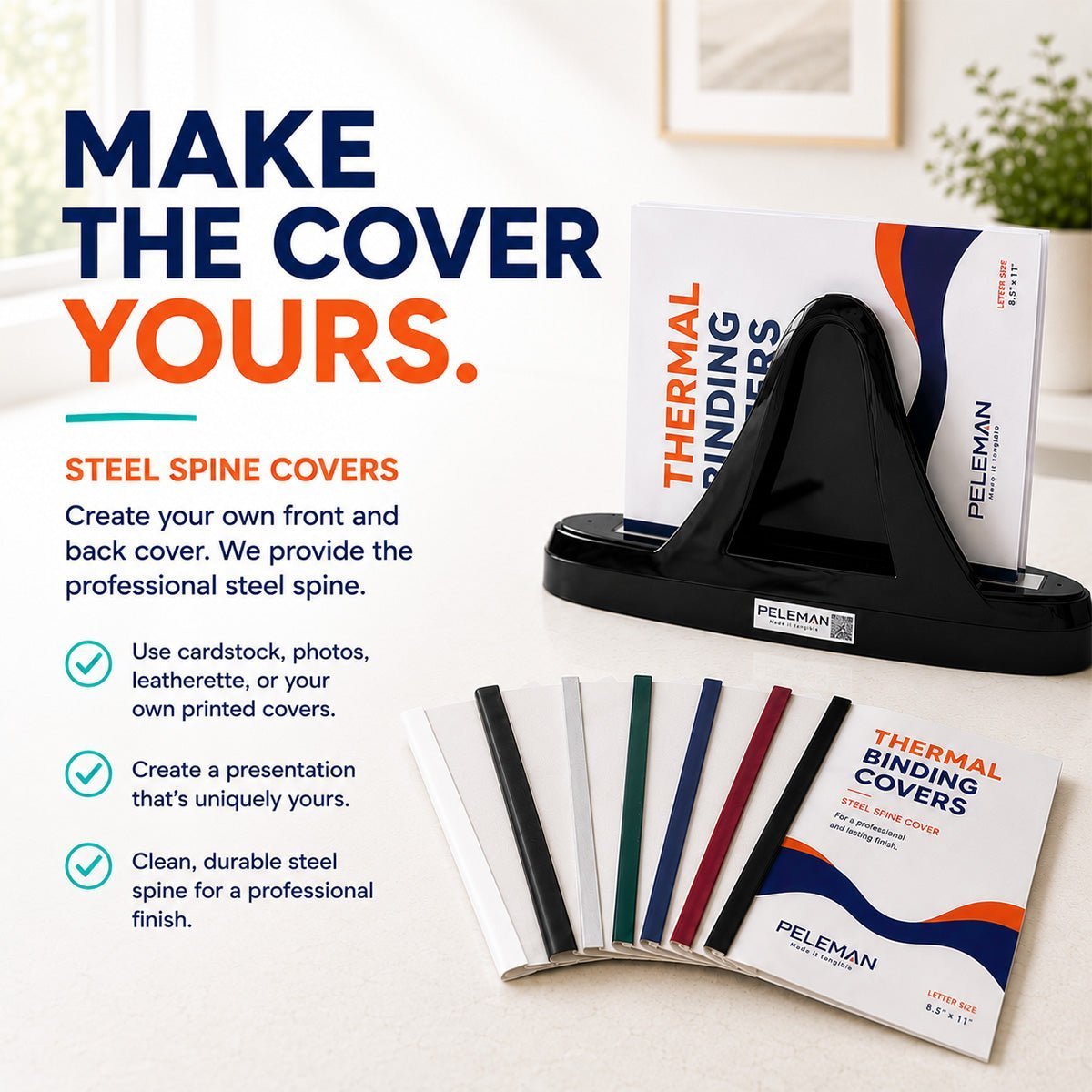
Thermal binding is a modern binding method that uses heat to melt a specially designed adhesive spine, which then binds the pages together as it cools. This creates a clean, professional-looking document with minimal effort.
Thermal binding is often used in creating high-quality printed materials such as a memorial album, tribute book, or premium funeral presentation materials due to its sleek finish and strong hold.
Why Thermal Binding Works Well for Memorial Projects
Thermal binding is especially useful when creating:
-
A memorial book
-
A celebration of life book
-
A remembrance book
-
A custom memorial book
-
A funeral program book
-
A memory book
-
An obituary book
These types of documents often require a polished, lasting finish that reflects the importance of the occasion.
Understanding Traditional Binding Methods
Traditional binding includes several methods such as:
-
Spiral binding
-
Comb binding
-
Saddle stitching
-
Wire binding
These methods rely on mechanical fasteners or stitching rather than heat-activated adhesives.
Traditional binding is commonly used for guest books, simple funeral keepsake materials, and low-cost print projects.
Thermal Binding vs Traditional Binding: Key Differences
1. Appearance and Presentation
Thermal binding offers a clean, book-like appearance without visible holes, coils, or clips. This makes it ideal for:
-
Personalized remembrance ideas
-
Funeral photo books
-
Life story books
-
Tribute books
Traditional binding methods, while functional, often look more utilitarian and less polished. Spiral or comb bindings expose the spine structure, which may not be suitable for formal celebration of life program ideas or elegant memorial presentations.
2. Durability and Longevity
Thermal binding creates a strong adhesive bond that securely holds pages together over time. This makes it ideal for:
-
Long-term how to preserve memories after loss projects
-
Archival-quality memorial albums
-
Durable funeral keepsake products
Traditional bindings can loosen over time, especially with frequent handling. Spiral bindings may bend or break, and comb bindings can lose teeth under pressure.
3. Ease of Use
Thermal binding systems are simple and efficient. You typically:
-
Insert pages into a thermal cover
-
Place the document in a thermal binding machine
-
Wait for the adhesive to activate
-
Allow it to cool
This makes it a practical choice for both personal and professional use, especially when creating multiple memorial products for funeral homes or funeral home keepsake products.
Traditional binding methods often require manual punching or assembly, which can be time-consuming when producing multiple copies.
4. Customization Options
Thermal binding allows for more elegant customization, especially for:
-
Custom remembrance books
-
Custom memorial book designs
-
Personalized memorial gifts
-
Memory books
Covers can be printed with photos, names, dates, and meaningful messages, making them ideal for creating a deeply personal tribute book or obituary book.
Traditional binding offers limited aesthetic customization, although cover inserts can be used in some cases.
How to Create a Memorial Book Using Thermal Binding
Creating a meaningful memorial book involves more than just binding pages—it’s about capturing memories and honoring a life.
Step 1: Gather Content
When planning what to include in a memorial book, consider:
-
Obituary or life summary
-
Personal photographs
-
Messages from family and friends
-
Favorite quotes or scriptures
-
Timeline of life events
-
Achievements and milestones
This content can also be used in a life story book, memory book, or memorial guest book.
Step 2: Organize the Structure
For effective celebration of life program ideas, structure the book into sections such as:
-
Early life
-
Family and relationships
-
Career and accomplishments
-
Personal memories
-
Tributes and messages
Step 3: Design the Layout
Use a clean, respectful layout with consistent formatting. Include:
-
High-quality images
-
Readable fonts
-
Balanced spacing
-
Thematic sections
This enhances the presentation of your funeral photo book or memorial album.
Step 4: Choose the Right Binding Method
Thermal binding is ideal when you want a polished, long-lasting result. Traditional binding may be suitable for simpler projects like a basic guest book or informal keepsake.
Step 5: Bind the Book
Using a thermal binding machine, finalize your document and allow it to cool. The result is a professionally finished remembrance book or tribute book that feels like a published volume.
Funeral Keepsake Ideas Using Bound Books
Bound books serve as meaningful funeral keepsake ideas and bereavement keepsake ideas. Some popular formats include:
-
Memorial guest book for attendees to sign
-
Celebration of life book featuring stories and photos
-
Obituary book summarizing a person’s legacy
-
Memory book filled with shared experiences
-
Life story book documenting milestones
-
Tribute book with messages from loved ones
-
Memorial album showcasing photographs
These keepsakes are often used as personalized memorial gifts or distributed as part of celebration of life program ideas.
Funeral Keepsake Products for Funeral Homes
For funeral homes and service providers, offering professionally bound materials enhances service quality. Thermal binding is especially useful for:
-
Premium funeral presentation materials
-
Custom memorial book packages
-
Funeral home keepsake products
-
Memorial products for funeral homes
These products help families preserve memories after loss in a tangible and respectful way.
Advantages of Thermal Binding for Memorial Projects
Thermal binding stands out for several reasons:
-
Professional and polished appearance
-
Strong, long-lasting adhesive bond
-
Ideal for high-quality printed memorials
-
Minimal manual effort required
-
Suitable for both small and large projects
-
Clean spine with no visible fasteners
This makes it a preferred choice for creating elegant and lasting remembrance books and memorial albums.
When Traditional Binding Might Be a Better Choice
Despite its limitations, traditional binding can still be useful when:
-
You need a quick and inexpensive solution
-
The document will be used temporarily
-
Frequent updates or page replacements are required
-
You are creating a simple guest book without long-term preservation needs
Which One Should You Choose?
Choosing between thermal binding and traditional binding depends on your goals:
-
Choose thermal binding if you want durability, elegance, and a professional finish for a custom memorial book, funeral photo book, or tribute book.
-
Choose traditional binding if you need a low-cost, flexible option for temporary or informal documents like a basic guest book.
Final Thoughts
Creating meaningful memorial materials is an important part of honoring and remembering loved ones. Whether you're designing a celebration of life book, memorial album, or life story book, the binding method you choose will influence both the presentation and longevity of the final product.
Thermal binding offers a refined, durable, and professional solution that aligns well with personalized remembrance ideas, funeral keepsake ideas, and how to preserve memories after loss. Traditional binding, while practical, may not always provide the same level of visual impact or permanence.
By carefully considering your needs, budget, and the purpose of your project, you can create a meaningful keepsake that truly reflects the memory and legacy of a loved one.
Thermal Binding Machine for Book Repair: A Practical Guide
Choosing the Right Binding Covers: Why Unibind 60 Pro Stands Out