

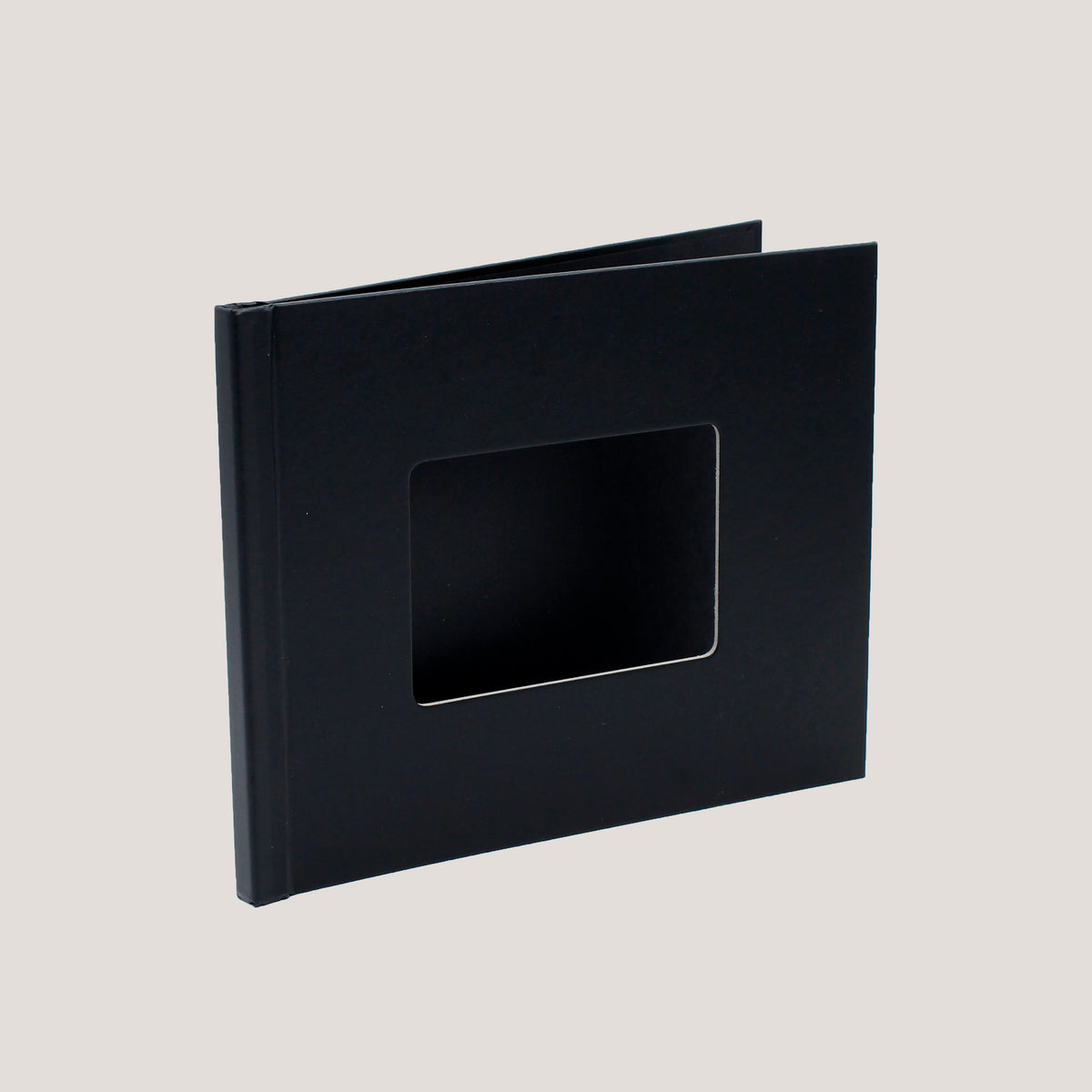
Choosing between disc binding vs thermal binding depends on how you plan to use your project. Whether you're creating a customizable planner, a handmade photo album, or a personalized scrapbook, both methods offer unique advantages.
Disc binding prioritizes flexibility, while thermal binding delivers a polished, book-style finish. Let's compare their features to help you choose the right solution.

What Is Disc Binding?
Disc binding uses mushroom-shaped holes along the page edges that snap onto specially designed binding discs. This system allows pages to be removed, rearranged, or added without dismantling the entire book.
A discbound planner is particularly useful for organizing changing schedules, notes, and creative projects.
Key benefits include:
-
Easy customization: Add, remove, or reorganize pages anytime.
-
Reusable components: Binding discs can be reused across projects.
-
Flexible layouts: Great for planners, journals, and expandable scrapbook albums.
-
Lay-flat convenience: Pages can turn around the discs for comfortable writing.
However, creating custom pages usually requires a compatible disc binding punch, and repeatedly removing sheets may wear their punched edges.
Popular accessories include binding discs, Happy Planner discs, and compatible disc binding punches.
What Is Thermal Binding?
Thermal binding uses heat-activated adhesive inside a compatible cover to secure loose pages into a finished book.
Unlike disc binding, it doesn't require mushroom-shaped holes, exposed discs, or manual page insertion.
Its advantages include:
-
Professional appearance: Creates an elegant, finished book spine.
-
Simple assembly: A compatible thermal binding machine secures pages using heat.
-
Clean presentation: Ideal for completed planners and memory books.
-
Gift-ready results: Suitable for wedding scrapbook albums, travel scrapbooks, and personalized photo collections.
Because pages are adhesively secured, thermal binding isn't designed for frequent rearrangement.
For additional ideas, explore our binding cover buying guide.
Disc Binding vs Thermal Binding: Key Differences
| Feature | Disc Binding | Thermal Binding |
|---|---|---|
| Page flexibility | Removable and reusable | Fixed after binding |
| Equipment | Disc binding punch | Thermal binding machine |
| Appearance | Exposed binding discs | Clean, finished spine |
| Page replacement | Easy | Requires rebinding |
| Best for | Everyday planners | Finished albums and books |
If you're comparing additional scrapbook binding ideas, read our complete guide to scrapbook binding methods.
Which Binding Method Is Best for Your Project?
Choose disc binding if you frequently update a planner, rearrange journal pages, or need a reusable organizational system.
Choose thermal binding if you're creating a finished memory book album, personalized photo collection, or professional-looking keepsake.
For scrapbookers considering other expandable options, our guide to screw posts and extension posts explains another traditional binding method.
Create Beautiful Photo Albums with Peleman
Want a simpler way to turn your printed memories into finished photo books?
Peleman's Life in Color DIY Scrapbook & Photo Album Kit provides a convenient thermal binding solution for creating personalized keepsakes at home.
Instead of managing binding discs, punches, and loose pages, you can transform completed photo collections into beautifully presented albums.
Explore Peleman's DIY Scrapbook & Photo Album Kit and discover an easier way to preserve your memories.
Screw Posts & Extension Posts Explained (and a Simpler Alternative)