

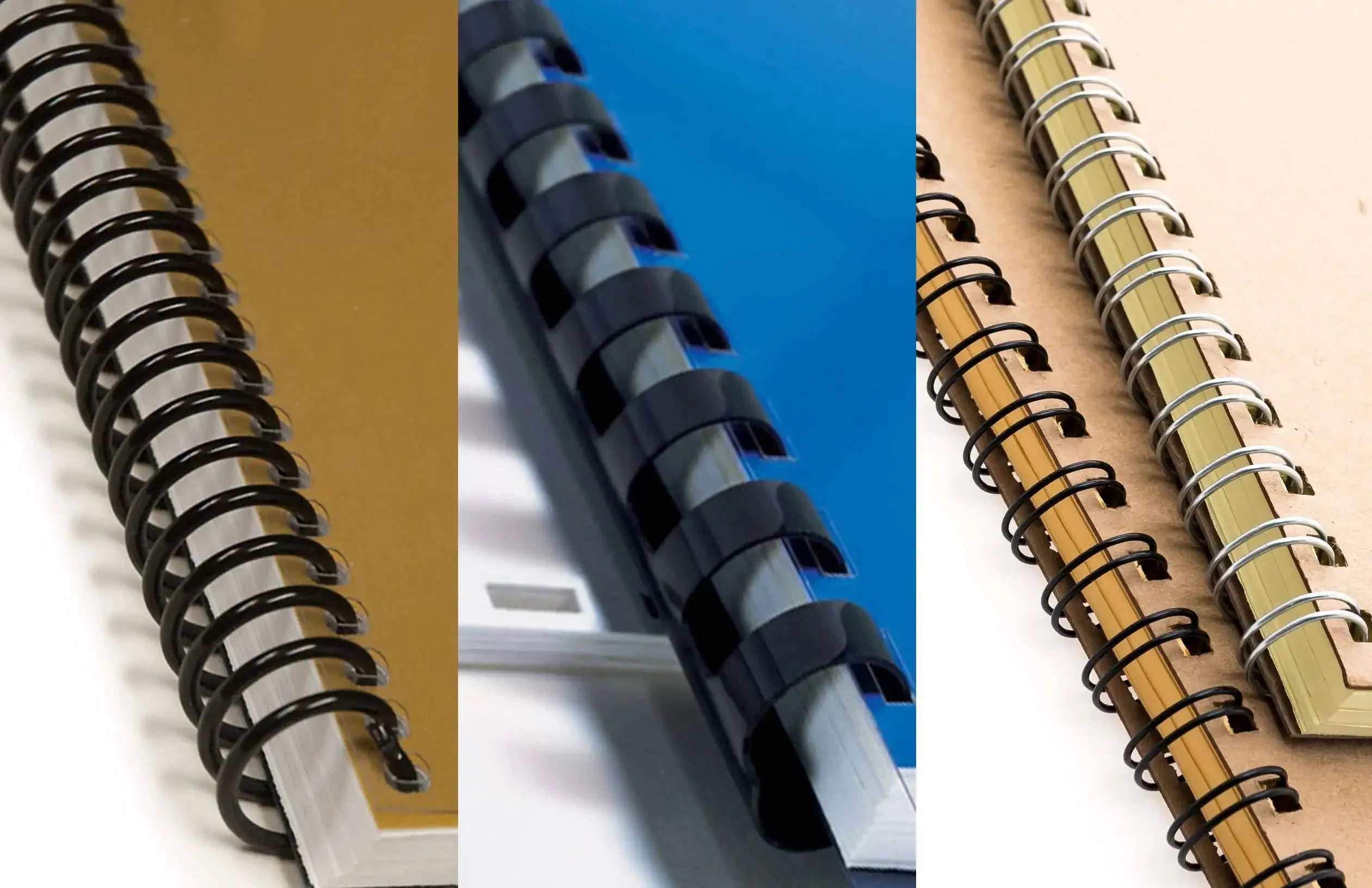
Thermal vs. Comb vs. Wire vs. Perfect Binding: Understanding the Best Methods to Bind Your Documents
When it comes to presenting important information, the way documents are bound can significantly impact their professionalism and durability. This guide delves into various popular document binding methods, helping you discern the best fit for your specific needs.
Overview of Binding Methods

What is Binding?
Binding is the process of physically securing pages together to create a cohesive document or book. This fundamental step in document creation is essential for organizing content, enhancing readability, and protecting pages from wear and tear. Different types of book binding offer distinct advantages depending on the document's purpose.
Importance of Choosing the Right Binding Method
Selecting the appropriate document binding method is crucial, as it affects the document's appearance, longevity, and ease of use. A well-chosen binding solution ensures that your reports, presentations, or manuals are not only professional but also durable and easy to handle, reflecting positively on your work.
Comparison of Thermal, Comb, Wire, and Perfect Binding
This article will provide a comprehensive comparison of several popular binding methods, including thermal binding, comb binding, wire binding (often called spiral binding or coil binding), and perfect binding. We will explore the unique characteristics, advantages, and ideal applications for each to help you make an informed decision for your book binding needs.
Thermal Binding
What is Thermal Binding?
Thermal binding is a modern and efficient method for binding documents that uses heat to secure pages together with a pre-glued spine. This process creates a clean, professional finish, often resembling a perfect-bound book. It is an excellent choice for businesses seeking a polished appearance without the complexity of traditional book binding machines. See complete guide here.
How a Thermal Binding Machine Works
A thermal binding machine, such as the Pro-Bind 2000 thermal binding machine, operates by heating an adhesive glue strip within a thermal binding cover. Pages are inserted into the cover, and the machine's heating element melts the glue, which then adheres to the pages and the cover's spine. After the heating cycle, the document cools on a cooling rack, permanently binding the pages.
Benefits of Using Thermal Binding
Utilizing thermal binding offers numerous benefits, including a professional aesthetic, strong and durable binding, and ease of use. The process is quick and clean, requiring no punching of holes, making it ideal for high-volume tasks. Thermal binding is perfect for creating impressive reports, presentations, and photo books with a secure spine, providing a robust alternative to plastic comb binding or steel binding. For more detailed information, consider visiting "the complete guide to thermal binding for business documents."
Comb Binding

Understanding Comb Binding
Comb binding is a widely recognized and versatile document binding method that utilizes a plastic comb, often made of PVC, to bind documents. This technique involves punching rectangular holes along the edge of the pages and then threading a plastic comb through these holes. It's a popular choice for its flexibility and ease of use, allowing documents to lay flat when open.
The Comb Binding Process
The comb binding process begins with a specialized book binding machine that punches a series of rectangular holes along the edge of the document's pages and covers. Once all pages are punched, the plastic comb, which resembles a C-shaped spine with prongs, is opened by the machine. The punched pages are then inserted onto the comb's prongs, and the comb is closed, securing the pages together to bind documents effectively.
Advantages of Comb Binding
Comb binding offers several distinct advantages, making it a favored option for many. Its main benefits include the ability to easily add or remove pages, which is ideal for evolving documents. It allows documents to lie completely flat when open, enhancing readability. Furthermore, plastic comb binding is a cost-effective solution, and the combs are available in various colors and sizes, providing a customizable finish.
Wire Binding

What is Wire Binding?
Wire binding, also known as twin-loop binding or sometimes inaccurately referred to as spiral binding or coil binding, is a sophisticated document binding method that uses a continuous wire element with a series of loops to secure pages. This method creates a very professional and durable finish, making it a popular choice for high-quality reports, presentations, and notebooks.
How Wire Binding Differs from Other Methods
Wire binding distinguishes itself from other methods like plastic comb binding or perfect binding through its use of a metal wire spine. Unlike comb binding, which uses a plastic comb and rectangular holes, wire binding typically requires round or square holes and offers a more secure and permanent bind. Compared to thermal binding, wire binding does not use heat or adhesive, but instead mechanically crimps the wire element to hold pages together.
Benefits of Wire Binding
Wire binding offers numerous benefits, including a sleek, professional appearance and exceptional durability. Documents bound with wire binding can lay completely flat or be folded back 360 degrees, which is ideal for presentations and manuals. The metal spine provides a robust and tamper-resistant finish, ensuring the longevity of your bound documents.
Perfect Binding

Overview of Perfect Binding
Perfect binding is a widely utilized commercial book binding method where pages and the cover are joined together at the spine with a strong, flexible adhesive. This technique creates a flat, professional spine, similar to a paperback book, making it a popular choice for magazines, softcover books, and corporate reports. The process involves roughing the edge of the paper block to ensure optimal adhesive penetration, resulting in a durable and aesthetically pleasing finish.
Applications for Perfect Binding
Perfect binding is ideal for a broad range of applications where a professional and polished look is paramount. It is commonly employed for binding catalogs, annual reports, thicker brochures, and literary publications, including both softcover and some hardcover books. Its ability to accommodate a significant number of pages makes it suitable for comprehensive documents, providing a high-quality presentation that reflects positively on the content within.
Advantages of Perfect Binding
The primary advantages of perfect binding include its sophisticated appearance, durability, and cost-effectiveness for medium to large print runs. The flat spine allows for printing titles and other information, enhancing organization and branding. This method creates a robust bind that withstands frequent handling, making it superior to options like plastic comb binding for long-term use, and offering a premium feel compared to simple spiral binding.
Choosing the Right Binding Machine

Factors to Consider When Selecting a Binding Machine
When selecting a book binding machine, several factors warrant careful consideration to ensure it meets your specific document binding needs. Key aspects include the volume of documents to be bound, the desired aesthetic (e.g., thermal binding for a sleek look, comb binding for flexibility), the thickness of the documents, and the types of binding elements required. Thinking about these will help you choose between a thermal binding machine, a plastic comb binding machine, or a perfect binding system.
Popular Binding Machines: Features and Uses
Popular binding machines offer diverse features catering to various binding needs. For instance, a thermal binding machine, like the Peleman industries Unibind 60 thermal binding machine, uses a glue strip to create a professional, book-like spine, ideal for reports and presentations. Plastic comb binding machines provide flexibility, allowing pages to be added or removed, while spiral binding machines offer durability for notebooks. Each binds documents differently, with specific advantages for different applications.
Cost Considerations for Binding Machines
Cost considerations for binding machines encompass not only the initial purchase price but also ongoing expenses such as thermal covers, plastic combs, or binding elements. While a basic desktop comb binding machine might be an affordable entry point, a sophisticated thermal binding machine or a hot melt machine for perfect binding could represent a higher investment. Evaluate the long-term cost-effectiveness, factoring in the volume and quality of documents you plan to bind.
Conclusion
Recap of Binding Methods
We have explored several key document binding methods: thermal binding, comb binding, wire binding, and perfect binding. Each method, from the professional finish of thermal binding with its adhesive glue strip to the flexible utility of plastic comb binding and the durable elegance of steel binding, offers distinct advantages for various applications. Understanding these differences is crucial for effective document presentation.
Final Recommendations for Document Binding
For ultimate professionalism and ease of use, especially for business documents and presentations, thermal binding is highly recommended. For those needing flexibility to add or remove pages, plastic comb binding or spiral binding are excellent choices. For a polished, book-like finish on larger documents, perfect binding or hardcover thermal binding stand out. Always consider the document's purpose and audience.
Further Resources for Book Binding Techniques
To deepen your understanding of book binding techniques and maximize your document presentation, explore specialized resources. For comprehensive insights into thermal binding, visit "the complete guide to thermal binding for business documents."
The Complete Guide to Thermal & Perfect Binding for Business Documents
How to Choose the Right Spine Size for Thermal Binding (Full Sizing Guide)