
How Much Does a Peleman Thermal Binding Machine Cost?
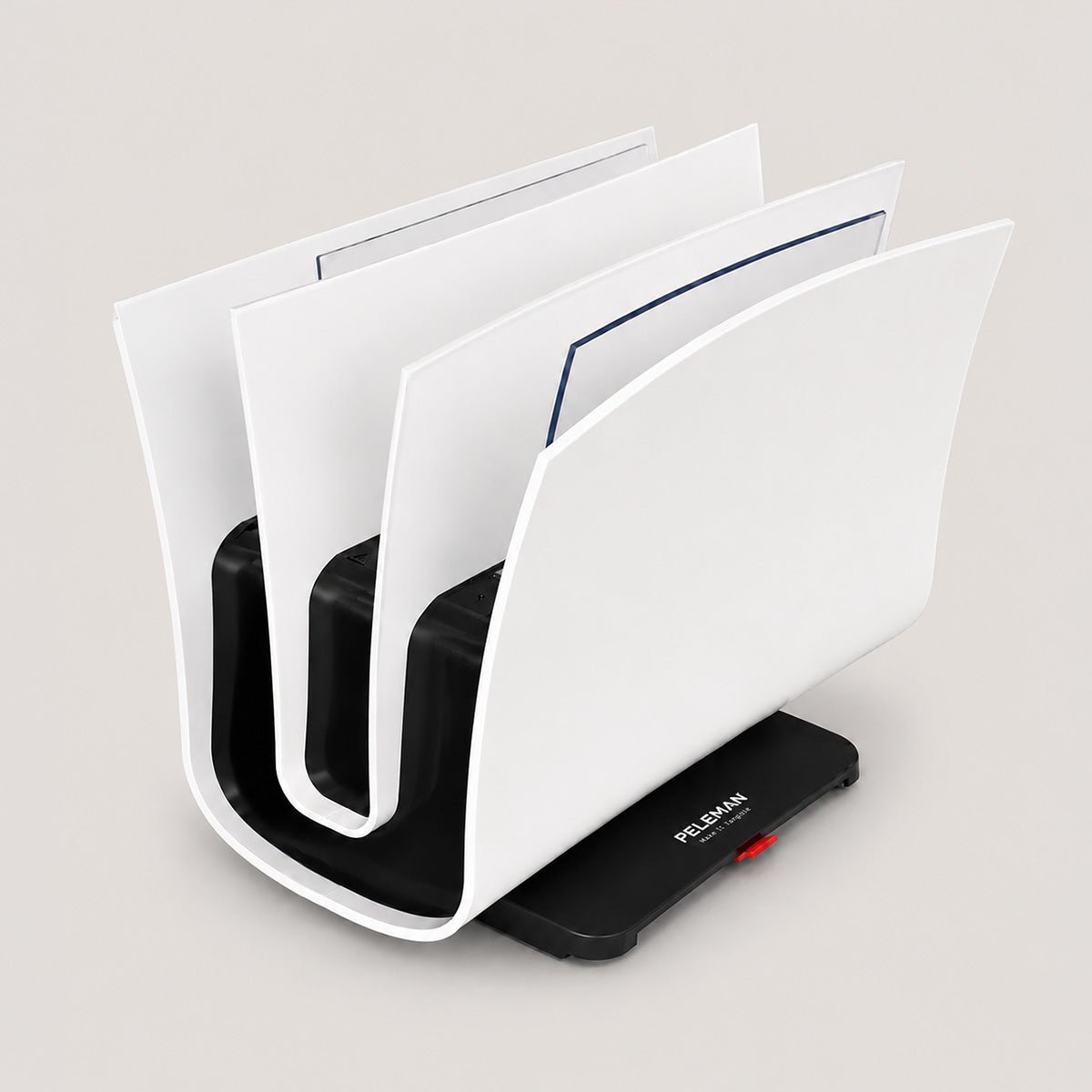
Peleman's thermal binding machines span roughly $280 to just under $1,700, and the gap between those numbers comes down to two things: how many sheets a machine can bind at once, and how much of the binding process is automated. Here's what that actually buys at each price point.
Note: pricing below reflects typical retail figures and can shift by retailer and over time. Check the current product pages for exact, up-to-date pricing before ordering.

Pricing by Model

UniBinder 60, roughly $280. The entry point, built for occasional use: proposals, short reports, single documents up to 60 sheets. This is the machine for someone binding a handful of documents a week, not a production tool.
UniBinder 120, roughly $760. Steps up to 120 sheets per book and adds a crimping mechanism for a more secure hold, plus the ability to bind up to four documents in one cycle. This is the natural upgrade once volume or document thickness outgrows the UniBinder 60.
UniBinder 8.1, roughly $1,250. Automates the crimping step entirely and holds the same 60-sheet capacity as the entry model, but with fully hands-off operation, insert the cover, the machine does the rest. This is the machine our buyer's guide by volume generally points to for office-tier daily use.
UniBinder 8.2, roughly $1,700. The highest-capacity model in the core lineup, binding up to 340 sheets and up to eight documents at once with automatic crimping. This is built for genuinely high-volume or thicker-document use, print shops, large offices, or anyone regularly producing longer bound documents.
What Actually Drives the Price Difference
Sheet capacity. The jump from 60 sheets to 340 sheets isn't just a bigger number, it reflects a heavier-duty heating and crimping mechanism built to handle thicker spines reliably.
Automation. The UniBinder 120 requires a manual crimping step; the 8.1 and 8.2 automate it. That automation reduces user error and speeds up repeated use, which is worth paying for once a machine is running many binds a day rather than a handful.
Batch capacity. Binding one document per cycle versus four or eight changes the practical throughput of a machine far more than the per-unit price suggests, this is the main reason a print shop's real cost per bind often comes out lower on a pricier, higher-batch machine, not higher, a concept covered in more depth in our print shop buying guide.
The Machine Price Isn't the Whole Cost
Every tier also has an ongoing consumable cost, covers and steel spines, that matters more over the life of the machine than the upfront price does. A cheaper machine used constantly can cost more in total over a year than a pricier machine used efficiently, this is the same total-cost-of-ownership logic covered in in-house binding vs. outsourcing, just applied to comparing machines against each other rather than against outsourcing.
What's Included at Every Price Point
Regardless of tier, every Peleman machine shares the same underlying steel spine and resin system, no punching, no glue mess, and no warm-up delay. Every machine also includes a 1-year manufacturer's warranty, handled directly by Peleman in the US, and works with the same full range of covers, so upgrading from one tier to another later doesn't mean replacing your cover stock.
Which Price Point Fits Your Volume
- Under 50 binds a month, mostly single documents: the UniBinder 60 is usually enough.
- Thicker documents or up to 100 binds a month: the UniBinder 120's higher capacity and crimping earn their cost.
- Daily office use, hands-off operation matters: the UniBinder 8.1 is the most common fit.
- High volume or frequently binding long documents: the UniBinder 8.2's capacity and batch size are worth the higher price.
For a fuller breakdown of matching volume to machine tier, see the buyer's guide by volume. Browse current pricing and specs across the full lineup.
Thermal Binding for Memorial and Funeral Guest Books
Cost Per Book — Thermal Binding vs. Other Binding Methods